
How Long Does It Take to Get a Certificate of Insurance?
Getting a certificate of insurance can take anywhere from a few minutes to several business days, depending on whether the contractor already has active coverage and whether the client requests special insurance provisions.
When the contractor has an active policy and only needs a standard certificate, the COI may be available instantly through an online account or issued by an agent the same day. Some traditional requests take one or two business days. Progressive Commercial, for example, states that contractors can usually obtain a COI within a day or two, while The Hartford processes many online certificate requests instantly or within several hours.
The process can take longer when the contract requires higher limits, additional insured status, a waiver of subrogation, completed operations protection, or another endorsement that is not already included in the policy.
The fastest way to avoid a project delay is to review the contract early and submit a complete certificate request before the scheduled start date.
Certificate of Insurance Processing Times at a Glance
The following timeframes are general estimates. Actual processing depends on the insurance company, agency, policy, and contract requirements.
| COI request | Typical potential timeframe |
|---|---|
| Standard certificate through an online portal | Immediately to a few minutes |
| Standard certificate requested from an agent | Same day to two business days |
| Certificate with an existing blanket endorsement | Same day to several business days |
| New additional insured endorsement | One to several business days |
| Higher limits or a new umbrella policy | Several business days or longer |
| Certificate requiring underwriting approval | Depends on the complexity of the request |
| COI for a contractor without active insurance | After coverage is approved, purchased, and effective |
| Rejected certificate requiring corrections | Additional time based on the requested changes |
NEXT states that policyholders can access and share a digital COI online in about 10 minutes, while The Hartford says most online requests can be processed instantly. These are insurer-specific services rather than guaranteed industry-wide turnaround times.
What Is a Certificate of Insurance?
A certificate of insurance, commonly abbreviated as COI, is a document summarizing selected information from a contractor’s active insurance policies.
It may show:
- Contractor’s legal business name
- Insurance agent or broker
- Insurance company
- Policy numbers
- Effective and expiration dates
- General liability limits
- Commercial auto liability
- Workers’ compensation
- Employers’ liability
- Commercial umbrella coverage
- Certificate holder
- Description of operations
A COI is evidence of insurance, but it is not the policy itself. It cannot create coverage that the contractor has not purchased or change the policy’s exclusions, limits, or conditions.
The Texas Department of Insurance explains that a certificate cannot amend, extend, or alter policy coverage. It also cannot identify a client as an additional insured unless that status is supported by the policy or an endorsement.
How Long Does a Standard COI Take?
A standard certificate can often be issued quickly when:
- The contractor already has active insurance.
- The requested limits match the policy.
- No additional endorsements are required.
- The client only needs evidence of coverage.
- The contractor supplies complete certificate-holder information.
- The policy is not pending cancellation or renewal.
Contractors with online policy access may be able to download or send a basic certificate immediately. Other contractors must contact an agent or broker, who may process the request later that day or within one or two business days.
A standard request generally requires the client’s:
- Complete legal name
- Mailing address
- Project name
- Project location
- Email address
- Delivery deadline
Missing or incorrect information can turn a simple request into a longer process.
Why Some Certificates Take Longer
A COI request may appear simple, but the contract can require insurance protections that are not currently included in the contractor’s policy.
Additional Insured Status
A client, general contractor, landlord, or project owner may request additional insured status under the contractor’s general liability policy.
This status may need to apply to:
- Ongoing operations
- Completed operations
- A specific project
- All work performed under a written contract
If the policy already contains an appropriate blanket additional insured endorsement, the request may be processed relatively quickly. If a new endorsement must be approved and added, more time may be required.
Being listed as the certificate holder does not make the client an additional insured. The actual policy or endorsement must grant that protection.
Waiver of Subrogation
A contract may require the contractor’s insurer to waive certain recovery rights against the client or another party.
The agent must verify whether the existing policy includes an applicable blanket waiver or whether a new endorsement is needed. The requested wording cannot simply be typed onto the certificate if the policy does not support it.
Primary and Noncontributory Wording
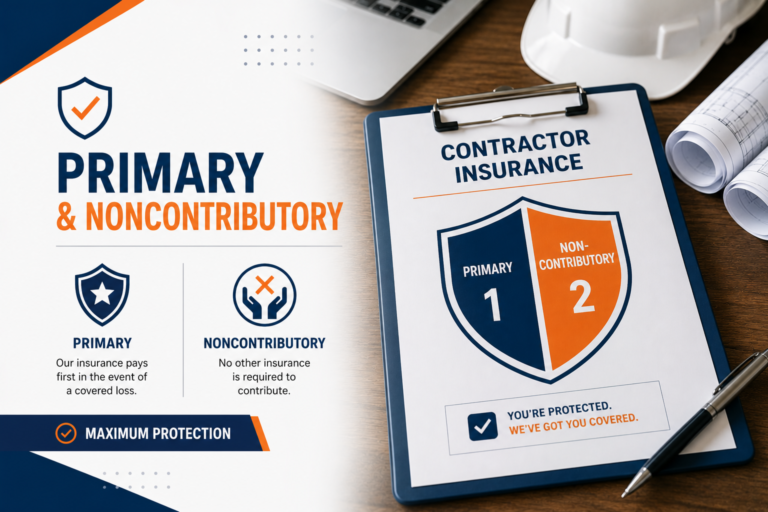
Some clients require the contractor’s policy to respond before other available insurance and without requesting contribution from the client’s policy.
This requirement usually must be supported by the insurance contract or an endorsement. It can delay the certificate if the agent needs approval or an additional policy change.
Higher Coverage Limits
A contractor may carry $1 million in general liability coverage while a new contract requires $2 million per occurrence or a larger aggregate.
The contractor may need to:
- Increase the existing policy limits
- Purchase commercial umbrella insurance
- Add project-specific coverage
- Obtain approval from an underwriter
- Pay an additional premium
The agent cannot legitimately issue a certificate showing higher limits until those limits are actually active.
Completed Operations Requirements
A general contractor or project owner may require additional insured protection for claims that arise after the contractor’s work is completed.
Completed operations requirements can be more complicated than a basic certificate request. The agent may need to review the policy form, applicable endorsements, duration of protection, and contract wording.
Work Outside the Existing Policy Classification
A contractor insured for interior painting may request a COI for a roofing project. An electrician may need documentation for work involving a new service that was not disclosed on the original application.
The insurer may need to evaluate whether the work is eligible. A certificate cannot be used to make an excluded or undisclosed operation covered.
How Long Does It Take Without an Active Policy?
A contractor without business insurance cannot obtain a legitimate COI until coverage has been approved, purchased, and placed into effect.
The application may require information about:
- Services performed
- Business location
- Annual revenue
- Payroll
- Employees
- Subcontractor expenses
- Previous claims
- Vehicles and drivers
- Tools and equipment
- Largest project size
- Residential and commercial work
Some digital insurers may quote eligible small businesses, issue coverage, and provide a certificate in one online session. More complex businesses may need additional underwriting, documents, inspections, loss records, or contract review.
NEXT states that eligible customers can purchase coverage online and access their policy documents and COI in about 10 minutes. That timeframe depends on the applicant, coverage, underwriting eligibility, and accuracy of the information provided.
Contractors should never tell a client that they are insured until the policy has been formally issued or bound and the effective date has begun.
How to Get a COI Faster
Review the Contract Before the Job Is Scheduled
Do not wait until the morning work begins. Review the insurance section before signing the agreement or submitting a final bid.
Look for:
- Required policy limits
- Additional insured status
- Waiver of subrogation
- Primary and noncontributory wording
- Completed operations requirements
- Commercial auto coverage
- Workers’ compensation
- Commercial umbrella insurance
- Professional or pollution liability
Send the entire insurance section to the agent. Summarizing the requirements yourself can result in missing an important provision.
Provide Complete Certificate-Holder Details
Include the client’s exact legal name and address. Also provide the project name, location, contract number, contact person, and delivery instructions.
A request that says only “send a COI for the Smith job” may require the agent to ask several follow-up questions.
Use the Insurer’s Online Portal
Some insurers allow policyholders to create or request certificates online at any time.
Online access can be useful when a contractor needs:
- A basic certificate after business hours
- Proof of active coverage for a bid
- A replacement copy
- A certificate for a new customer
- An updated certificate after renewal
However, an automated portal may not be able to approve unusual contractual wording or policy changes.
Keep Common Endorsements in Place
Contractors that regularly work for commercial clients may benefit from discussing blanket additional insured, waiver of subrogation, and primary and noncontributory endorsements with an insurance professional.
Appropriate blanket endorsements may reduce the need to modify the policy separately for every qualifying written contract. They still must match the client’s requirements.
Track Policy Renewal Dates
A certificate request can be delayed when the policy is about to expire or the renewal has not been completed.
Begin reviewing renewal terms before the expiration date, especially when active projects require uninterrupted insurance.
Can You Get a COI the Same Day?
Yes, a contractor can often receive a standard COI the same day when coverage is active and no policy changes are required.
GEICO states that a COI can generally be obtained from the insurance provider on the same day once the provider knows who needs it and why. Progressive Commercial gives a broader estimate of one or two days, showing that turnaround varies by company and request method.
Same-day processing is less likely when:
- The contractor does not yet have insurance.
- The client requires higher limits.
- A new endorsement is needed.
- Underwriting approval is required.
- The work falls outside current classifications.
- The request is submitted after business hours.
- The certificate-holder details are incomplete.
- The contract contains unusual insurance language.
Contractors facing a deadline should clearly communicate it to the agent, but a rush request cannot force an insurer to approve coverage it has not evaluated.
Does a Rush COI Cost Extra?
Many insurers and agencies do not charge separately for a routine certificate. Digital insurers may provide unlimited online certificates as part of the policy service.
However, costs may arise when the request requires:
- Higher coverage limits
- Additional insured endorsements
- Waivers of subrogation
- Commercial umbrella insurance
- Expanded completed operations coverage
- Coverage for a new operation
- Insurance in another state
The additional cost is generally associated with modifying or expanding the insurance—not with creating the basic certificate document.
Contractors should review insurance requirements before pricing a project so that endorsement and limit costs can be included in the bid.
What Happens If the Client Rejects the Certificate?
A client may reject a COI because:
- The business name is incorrect.
- The certificate holder is listed incorrectly.
- Policy limits are too low.
- A policy expires during the project.
- Required coverage is missing.
- Additional insured status is unsupported.
- The client requires copies of endorsements.
- The project information is incomplete.
- The certificate was altered.
- The insurer is not acceptable under the contract.
Ask the client to explain the rejection in writing. Forward the complete response to the insurance agent instead of attempting to edit the certificate.
The California Department of Insurance advises consumers to examine a contractor’s certificate for the insurer’s name, policy number, and limits and to verify information when necessary.
Does a COI Expire?
A certificate does not have a separate coverage period independent of the policies it summarizes. The relevant expiration dates are the dates shown for the underlying insurance.
When a policy renews, the contractor may need to provide a new certificate. This is especially important when:
- The project continues beyond the expiration date.
- The client tracks insurance compliance.
- The contractor works under a long-term service agreement.
- Completed operations documentation must be maintained.
- Subcontractors remain active on the job.
A certificate does not guarantee that the policy will remain active until its listed expiration date. Coverage could change or be canceled subject to the policy and applicable law.
Frequently Asked Questions
How quickly can a contractor get a COI?
A basic certificate may be available instantly online or issued the same day. Agent-processed requests may take one or two business days, while policy changes can take longer.
Can a COI be issued instantly?
Yes, some insurers provide instant digital certificates to customers with active policies. Special endorsements and higher limits may still require manual review.
Can you get a COI before buying insurance?
No. A legitimate certificate can only summarize active insurance. The contractor must first apply for and purchase the required coverage.
Why is my COI taking so long?
Common causes include missing information, additional insured requirements, higher limits, policy changes, underwriting review, renewal issues, or work that is not covered under the current classification.
Can an agent issue a COI after business hours?
Some online portals operate 24/7. Requests requiring manual review may have to wait until the agent or underwriter is available.
How long does adding an additional insured take?
It may be fast when an existing blanket endorsement applies. A new endorsement or unusual request may require several business days or underwriting approval.
Should I request the certificate before signing the contract?
The contractor should review the insurance requirements before signing. The final certificate is usually requested once the certificate-holder and project details are confirmed.
Does a COI guarantee that a claim will be covered?
No. The policy, endorsements, exclusions, limits, and circumstances of the claim determine whether coverage applies.
Conclusion
A contractor can often obtain a standard certificate of insurance within minutes, the same day, or within one or two business days when active coverage is already in place.
Requests take longer when the contract requires additional insured status, waivers, special wording, higher limits, completed operations protection, or a new insurance policy. Incomplete client information and last-minute requests can create further delays.
Review the contract before accepting the job, send complete requirements to the insurance agent, and request the COI before the scheduled start date. After receiving it, confirm that the insured name, policy dates, limits, certificate holder, and endorsements are correct.
A reliable certificate-request process helps contractors avoid job-site delays, rejected documents, and contracts that require insurance the business does not actually carry.
Editorial review: This guide was researched and reviewed by the Coverage Editorial Team using government agencies, insurance regulators, licensing authorities, policy documentation, and current industry pricing sources.