Contractor Insurance Basics

Contractor insurance can protect a business from the financial consequences of accidents, property damage, lawsuits, stolen equipment, vehicle incidents, and employee injuries. However, the policies contractors need are not always the same. Coverage can depend on the type of work performed, business size, number of employees, use of subcontractors, vehicles, tools, contracts, and state or local requirements.

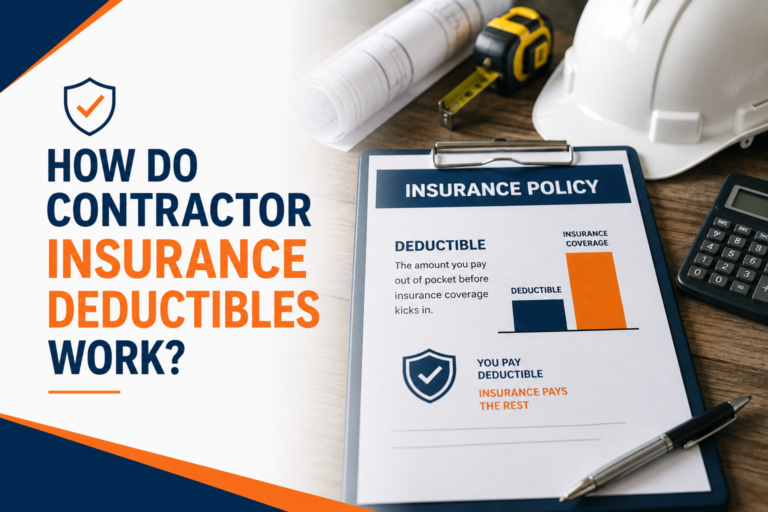
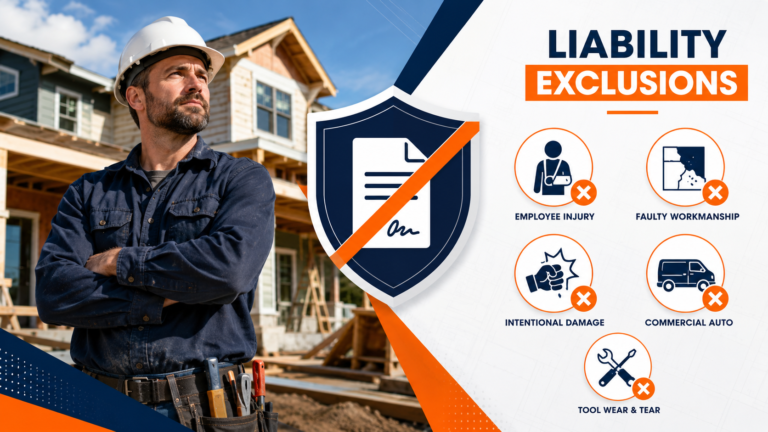
This section explains the foundations of contractor insurance in clear, practical terms. Readers can learn what general liability insurance covers, which common exclusions may apply, how coverage limits and deductibles work, and when a business owner’s policy may be useful. It also covers important questions for self-employed contractors and businesses without employees, including whether insurance is still necessary and what risks remain even when a contractor works alone.

The guides in this category also explain how to request and compare quotes, what information insurers may ask for, which documents clients may require, and which mistakes can create coverage gaps. Readers will find explanations of certificates of insurance, policy limits, claims-made versus occurrence coverage, completed operations, faulty workmanship, and other terms that often appear in contractor policies.

The goal is to help contractors understand the purpose of each policy before purchasing coverage or signing a contract. The information is educational and should not be treated as a guaranteed quote, legal interpretation, or substitute for advice from a licensed insurance professional.