Certificates, Contracts and Subcontractors

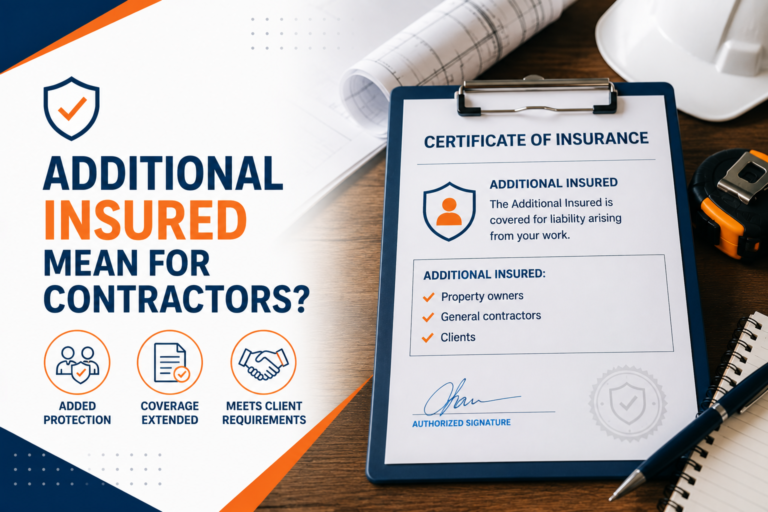
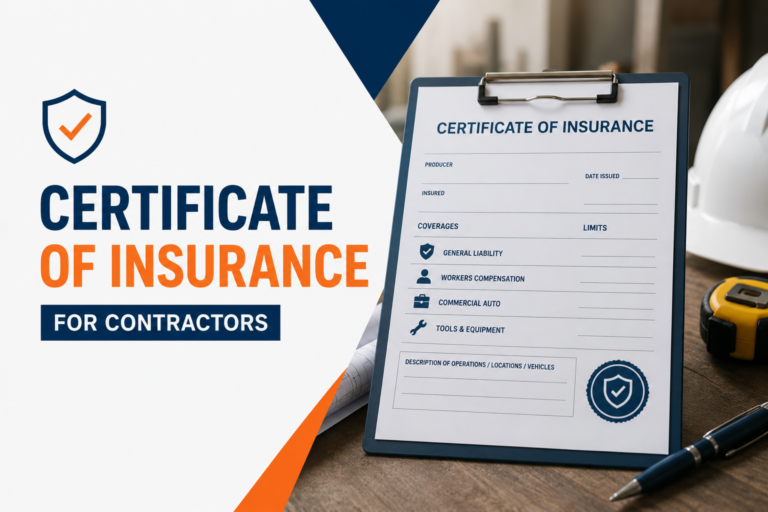
Insurance requirements often become more complicated when contractors sign commercial agreements, work for general contractors, enter a client’s property, or hire subcontractors. A certificate of insurance may prove that a policy exists, but it does not automatically provide additional protection to the certificate holder. Contract clauses may also require additional insured status, primary and noncontributory wording, a waiver of subrogation, specific coverage limits, or evidence that subcontractors carry their own insurance.

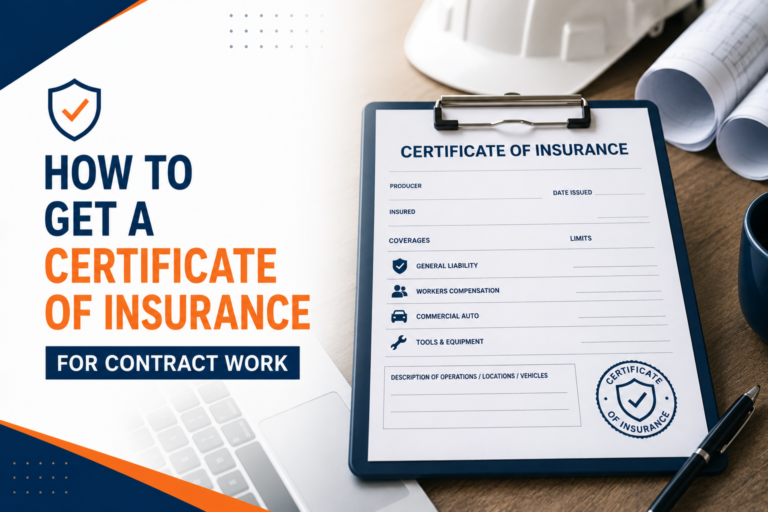
This category explains how insurance documents and contract requirements affect contractors before, during, and after a project. Readers can learn the difference between a certificate holder and an additional insured, how to request a certificate of insurance, how long certificates should be retained, and how to verify whether a subcontractor’s coverage appears current. The guides also examine what can happen when a subcontractor has no insurance or when a certificate contains incomplete, expired, or misleading information.

Contractors will also find practical explanations of common contractual insurance provisions, including indemnification, completed operations, primary and noncontributory coverage, and waivers of subrogation. These topics are especially important for businesses working on larger residential, commercial, property management, or general contracting projects.

The purpose of this section is to help readers understand what insurance documents can and cannot prove, identify questions to ask before signing an agreement, and reduce avoidable coverage gaps. Contract terms and insurance requirements vary, so readers should confirm obligations with a licensed insurance professional and qualified legal counsel when necessary.